Many buyers spend years dreaming of a Mont Blanc panorama from their living room, only to find the most desirable chalets vanish within days of listing. The Chamonix market doesn’t wait-especially when it comes to properties combining heritage, location, and modern comfort. While browsing listings might feel like progress, real momentum comes from knowing exactly what adds lasting value. From accessibility to architectural integrity, the difference between a good buy and a brilliant one lies in the details most overlook.
Essential criteria for your Chamonix property search
When evaluating a chalet for sale in Chamonix, it’s not just about square meters or views-though those help. What truly defines long-term value is a blend of practicality, orientation, and future-proof amenities. A south-facing façade, for instance, isn’t just about sunlight; it significantly reduces heating costs and enhances livability during the winter months. Similarly, proximity to ski lifts or hiking trails transforms a weekend retreat into a seamless extension of your lifestyle. These aren’t luxuries-they’re strategic advantages.
Location and mountain accessibility
Chamonix’s charm lies in its variety, from the vibrant town center to secluded hamlets like Les Bossons or Le Tour. But each comes with trade-offs. Being steps from the Aiguille du Midi cable car offers unmatched convenience, while quieter zones often provide larger plots and greater privacy. For those seeking an unparalleled Alpine lifestyle, the best path forward is to purchase a high-end chalet in Chamonix.
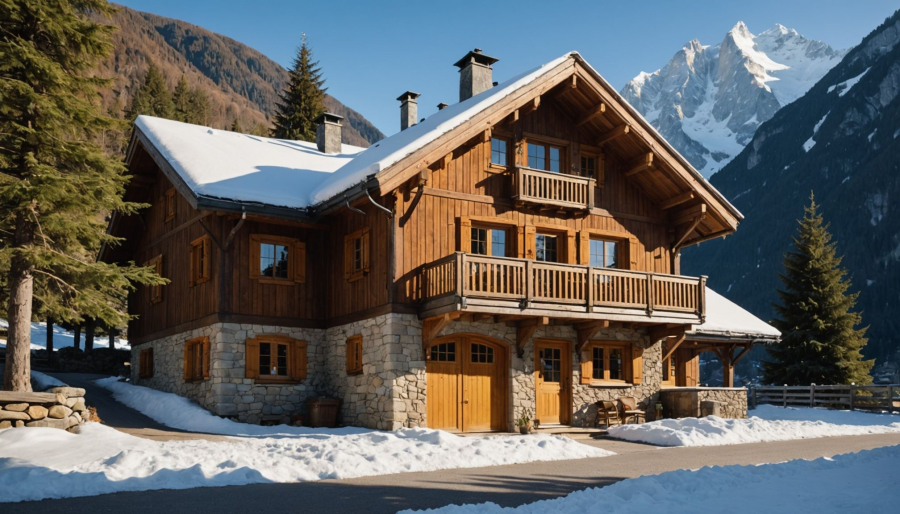
At this level of property, buyers expect more than just charm-they demand functionality. Modern expectations include:
- ski-in/ski-out access or short shuttle proximity to major lifts
- high-speed fiber internet, essential for remote work or managing investments
- wellness areas such as saunas, indoor spas, or relaxation rooms
- energy-efficient heating systems, particularly geothermal or wood pellet solutions
- Dedicated indoor parking and secure ski storage with boot warmers
These features aren’t just comfort upgrades-they directly influence rental yield and resale appeal. A chalet with poor connectivity or outdated insulation may seem like a bargain, but renovation costs can quickly erase savings. And in a market where luxury expectations are rising, cutting corners rarely pays off.
Comparing the different sectors of the Chamonix Valley
Chamonix isn’t a single destination-it’s a collection of distinct micro-markets, each with its own rhythm, clientele, and pricing dynamics. Understanding these nuances is critical for making a decision that aligns with both lifestyle goals and investment logic. Some buyers prioritize buzz and convenience; others seek solitude and space. The right choice depends on how you plan to use the property-seasonally or year-round.
The bustling town center vs. quiet hamlets
Downtown Chamonix delivers energy-cafés, boutiques, cultural events, and direct access to the Vallée Blanche. It’s ideal for those who want to step outside and be part of the scene. But that vibrancy comes at a premium. Prices here reflect demand from both primary users and high-end rental operators. In contrast, hamlets like Les Praz or Les Houches offer a more relaxed pace, often with larger plots and better mountain exposure. They appeal to families and long-term owners looking for tranquility without sacrificing access.
Investment potential in Argentière and Les Houches
Argentière, nestled at the foot of the Grandes Jorasses, attracts serious skiers and those seeking a more authentic mountain feel. Les Houches, meanwhile, offers strong rental demand thanks to its family-friendly slopes and proximity to Geneva. Both areas tend to offer more land for the same investment compared to central Chamonix, making them attractive for custom builds or expansions. For buyers eyeing a dual-season investment, these zones often deliver better balance between appreciation and operational flexibility.
| Area | Atmosphere | Accessibility | Main Property Type | Relative Price Level |
|---|---|---|---|---|
| Chamonix Center | Urban, lively, cosmopolitan | Direct lift access, pedestrian-friendly | Renovated historic chalets, luxury apartments | High to premium |
| Les Praz | Alpine village charm, ski-in/ski-out | Adjacent to Flégère ski area | Mixed: traditional and contemporary chalets | Moderate to high |
| Argentière | Remote, authentic, ski-focused | Close to lifts, slightly longer transfer | Larger chalets, some with land for development | High value for space |
This variation isn’t just about price-it’s about fit. A property in Argentière might not have the foot traffic of the center, but it offers something increasingly rare: space, silence, and direct access to some of the most dramatic terrain in the Alps.
Navigating the luxury acquisition process
Buying a chalet in France is more than a transaction-it’s a structured legal journey designed to protect both buyer and seller. The process begins with a preliminary agreement, known as the compromis de vente, which includes contingencies like financing or technical inspections. Once signed, a cooling-off period of ten days applies. After that, the final deed (acte de vente) is prepared by a notary, who acts as a neutral party ensuring all taxes, land registry entries, and legal requirements are met.
Legal steps and notary requirements
The notary’s role is central. They verify property titles, calculate transfer taxes (which include registration fees, typically around 7.5% in France), and ensure compliance with local zoning laws. For international buyers, this step offers reassurance-French notaries are public officers bound by strict regulations. It’s also during this phase that due diligence on structural integrity, insulation standards, and potential renovation constraints should be completed.
Optimizing your mountain retreat investment
From a financial standpoint, how you hold the property matters. Opting for a furnished rental status can unlock favorable tax regimes, such as the LMNP (Loueur en Meublé Non Professionnel), which allows depreciation and expense deductions. However, this requires active management. That’s where professional property services come in-handling maintenance, guest coordination, and seasonal turnovers. These aren’t luxuries; they’re essential for preserving value in a high-altitude environment where weather, usage, and exposure take a toll. A well-managed chalet doesn’t just retain its appeal-it compounds it.
Visitor questions
I've heard the Chamonix market is quite seasonal, is it still a good year-round investment?
Chamonix has evolved into a true dual-season destination. While winter drives ski tourism, summer brings hikers, climbers, and wellness travelers, ensuring consistent demand. Properties with versatile layouts and strong outdoor access tend to perform best across both seasons, making them resilient investments.
What should I look out for when buying an older chalet for renovation?
Older chalets often have charm but may lack modern insulation or structural reinforcement. Always commission a diagnostic survey to assess timber integrity, roof stability, and compliance with current energy standards. Renovation costs can escalate quickly if core systems need upgrading.
Is it possible to secure a mortgage from a French bank as a non-resident?
Yes, French banks do lend to non-residents, especially for high-value properties. Expect to provide proof of income, assets, and a down payment of around 20-30%. Working with a broker familiar with international clients can streamline the process significantly.
Are there specific zoning laws regarding building extensions in the valley?
Yes, the PLU (Plan Local d'Urbanisme) governs all construction and modifications. In protected areas, there are strict limits on height, materials, and footprint. Always verify planning permissions before making an offer, especially if expansion is part of your vision.
